They seem perfect: attentive, kind, and quick to say how much you mean to them. Then, after weeks or months of messages, there is a problem only money can fix. A romance scam is fraud dressed up as a relationship, and it costs victims more than almost any other scam. In the US alone, people report losing more than a billion dollars a year to it, according to the Federal Trade Commission. This guide covers the warning signs, how to check whether someone is real, and what to do if you have already sent money.
How Romance Scams Work
Every romance scam is built on a fake identity. The scammer uses stolen photos, often of a real soldier, doctor, engineer or model, and a made-up life story. Many run several victims at once from a script, sometimes as part of an organised criminal operation.
They find people on dating apps, social media, gaming platforms and even through a “wrong number” text. The pattern is usually the same:
- Contact and flattery. They reach out first, compliment you, and show great interest in your life.
- Moving off the platform. They quickly ask to chat on WhatsApp, Telegram or text, away from the dating site’s safety checks.
- Fast intimacy. Daily messages, talk of love or a shared future within weeks, and a growing sense that they understand you like nobody else.
- The crisis. A medical emergency, a frozen bank account, customs fees, a plane ticket to finally meet you, or a “can’t-miss” investment.
- Escalation. Once you pay once, new problems appear, each needing more money.
Warning Signs of a Romance Scam
- They can never meet or video call. The camera is always broken, the signal is bad, or they are working somewhere remote: an oil rig, a military base, a ship, a medical mission abroad.
- It moves very fast. Declarations of love, talk of marriage or plans to move in together before you have met.
- Their photos look too polished. Professional-looking pictures, very few casual ones, and nothing that shows them with friends or family.
- The story does not add up. Details about their job, age or location change, or their writing does not match where they say they are from.
- They ask for money, however it is framed. A loan, a fee, help with a bill, or a gift card “just until my account is unlocked”.
- They push unusual payment methods. Gift cards, cryptocurrency, wire transfers or payment apps, which are hard to trace or reverse.
- They talk about investing. Many romance scams turn into crypto or trading “opportunities”, where the scammer shows you fake profits on a fake platform.
- They want it kept secret. They discourage you from telling friends or family, or get upset when you have doubts.
- They ask you to move money for them. Receiving and forwarding payments can make you part of a money-laundering chain, which is a crime even if you were tricked.
One rule covers almost every case: never send money to someone you have only met online, however real the relationship feels.
How to Check If Someone Is Real
- Reverse search their photos. Upload their pictures to Google Lens or TinEye. If the same photos appear under different names, or on a stranger’s social media, you have your answer.
- Search their name and story. Search their name, phone number and details of their story with the word “scam”. Romance scammers reuse scripts.
- Ask for a live video call. A real person can do this. Be aware that scammers increasingly use AI face-swapping, so a blurry or glitchy video, or one that only lasts seconds, is not proof.
- Talk to someone you trust. Scammers rely on secrecy. A friend or relative who is not emotionally involved often spots the problem straight away.
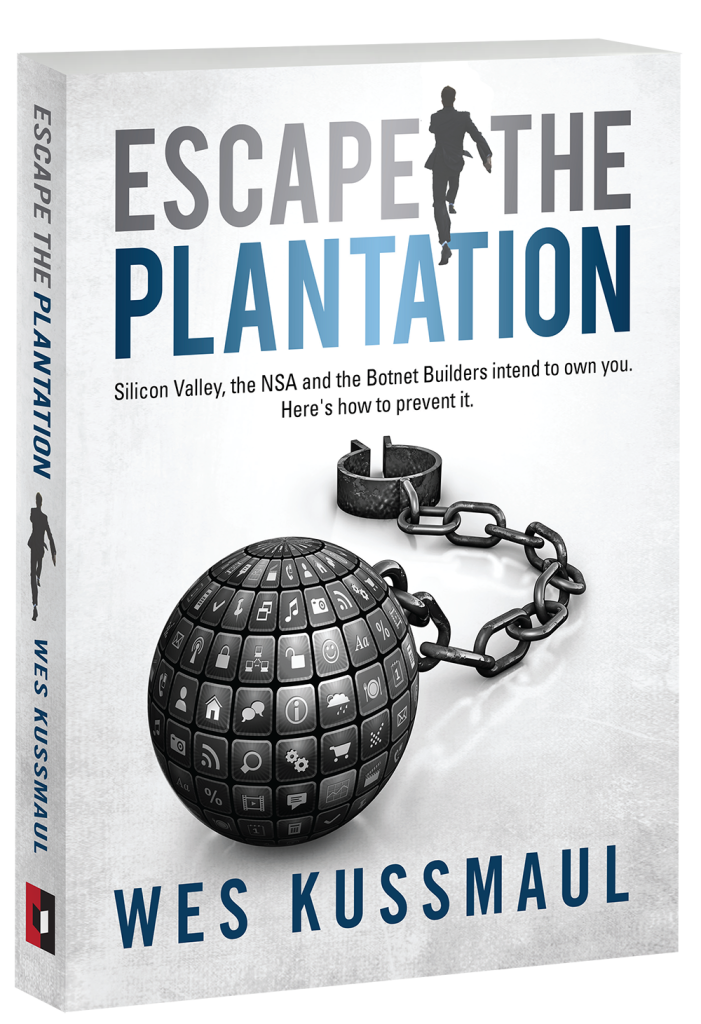
Romance scams run entirely on fake identities, and nothing online forces anyone to prove who they are. That is the problem Wes Kussmaul’s Escape the Plantation sets out to solve, and you can get a free copy at the end of this article.
What to Do If You Think You Are Being Scammed
- Stop sending money, whatever reason you are given, and do not hand over more personal or bank details.
- Contact your bank straight away if you have already paid. The sooner you act, the better the chance of stopping or recovering a payment. In the UK, you can call 159 to be put through to most major banks.
- Save the evidence. Keep screenshots of messages, profile pages, usernames, phone numbers and payment records before you block anyone.
- Report the profile to the dating app or social network, so it can be removed before it reaches someone else.
- Report the scam. In the UK, report it to Action Fraud, or to Police Scotland on 101. In the US, report it to the FTC at reportfraud.ftc.gov and to the FBI’s IC3 at ic3.gov.
- Secure your accounts. If you shared passwords, ID documents or let them access your device, change your passwords and tell your bank.
Can you get your money back?
It depends on how you paid and where you live. In the UK, most banks must now reimburse victims of authorised push payment fraud, which includes many romance scams paid by bank transfer, up to £85,000, with some exceptions. Card payments may be disputed through your card provider. Gift cards and cryptocurrency are much harder to recover. Our guide Do Banks Refund Scammed Money? explains the rules.
Beware of recovery scams
Victims are often contacted afterwards by “recovery agents”, “lawyers” or even fake police officers who promise to get the money back for an upfront fee. They are the same criminals, or others who bought the victim list. Genuine police and banks do not charge to recover your money.
If It Has Happened to You
Romance scammers are professionals who manipulate trust for a living. Being deceived by one says nothing about your intelligence. Many victims feel ashamed, which is exactly what scammers count on to stop people reporting. Talking about it helps you recover, and reporting helps stop the same criminals targeting someone else.
In the UK, Victim Support offers free, confidential help. Some scams also turn into blackmail with intimate images; if that is happening to you, see our guide to sextortion threats.
Frequently asked questions
What is a romance scam?
It is a fraud in which a criminal uses a fake identity to build an online relationship, then exploits the victim’s trust to get money, gifts or personal information. The relationship is never real, however long it lasts.
What are the most common signs of a romance scammer?
They avoid meeting or video calls, profess love very quickly, have a job that keeps them far away, tell stories that do not add up, and eventually ask for money, often by gift card, cryptocurrency or wire transfer.
How can I tell if someone online is a scammer?
Reverse search their photos with Google Lens or TinEye, search their name and story with the word “scam”, ask for a live video call, and talk to a friend. Anyone who asks for money before you have met in person should be treated as a scammer.
Can I get my money back after a romance scam?
Sometimes. Contact your bank immediately. In the UK, many bank transfer losses must now be reimbursed, and card payments can often be disputed. Gift cards and cryptocurrency are much harder to recover. Never pay anyone who offers to recover your money for a fee.
Where do I report a romance scam?
Report the profile to the platform where you met. In the UK, report the scam to Action Fraud or Police Scotland. In the US, report it to the FTC at reportfraud.ftc.gov and to the FBI’s IC3 at ic3.gov.
Related reading
- Do Banks Refund Scammed Money? What the Rules Say
- Sextortion Email: Real Threat or Bluff?
- AI Sextortion Is Real: How to Protect Your Family Now
- Clicked a Phishing Link? Here Is What to Do Next
Romance scams run entirely on fake identities: stolen photos, invented names and life stories nobody can check. Wes Kussmaul’s Escape the Plantation explains why the internet lets anyone pretend to be anyone, and how verified, accountable identity would take that power away from scammers. Mafiology tracks the tactics behind these schemes so you can spot them early. Enter your email below for our fraud-pattern alerts and your free copy of the book.