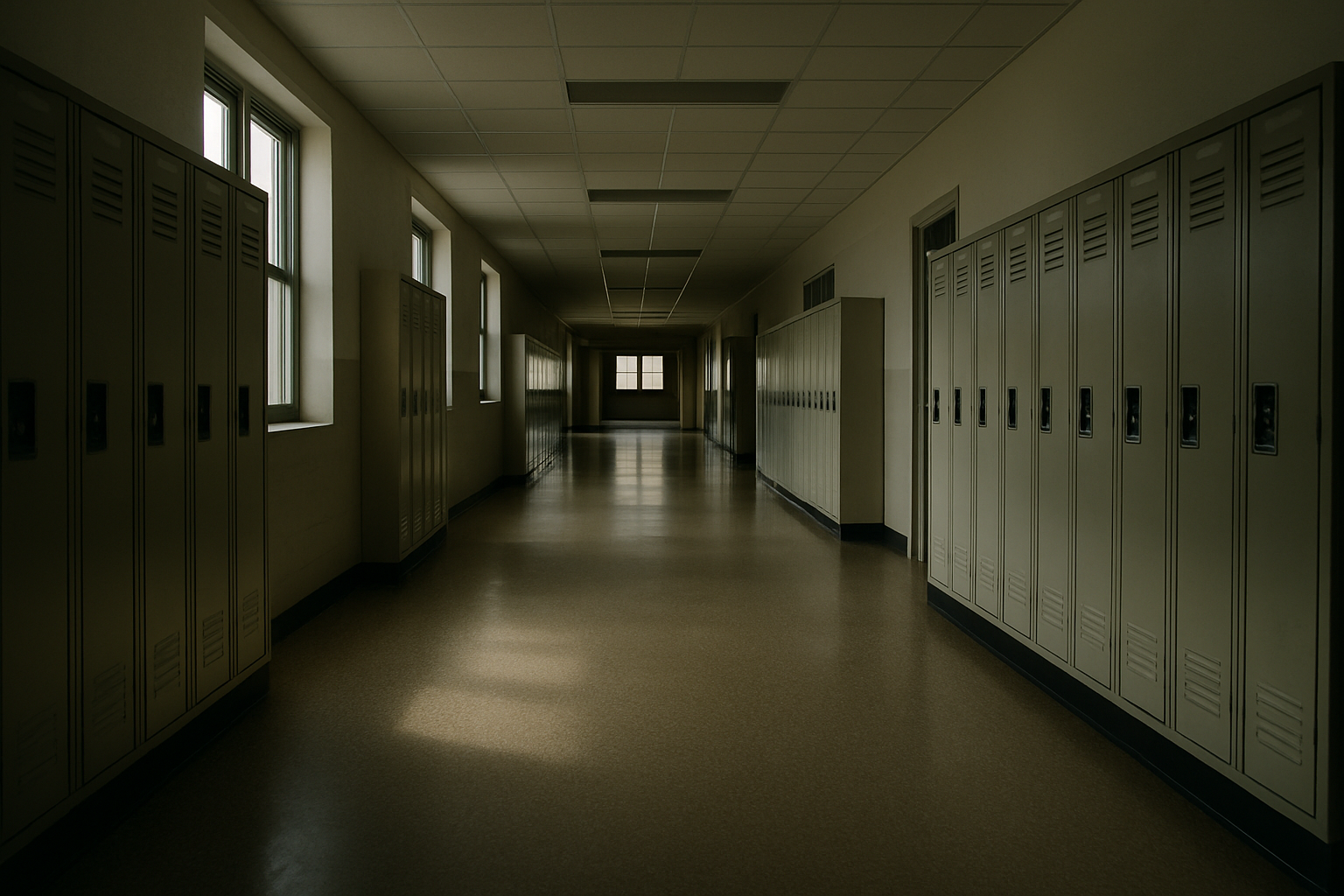
Springfield Public Schools announced it would close on Tuesday after a cyber incident disrupted the systems the district needs to run daily operations. The superintendent made the announcement on Monday. If you are a parent, guardian, or staff member trying to work out what this means for your family, here is what is known, what is not, and — most importantly — what you can do right now. Knowing what to do after a school cyber attack is not complicated, but you need to act on the right things and ignore the noise.
What happened
The district announced the closure after a cyber incident knocked out systems staff rely on to keep the school running. The superintendent said the closure would give staff and investigators the time they need to understand what happened and how far the damage extends.
Beyond that, the details are thin. The type of attack has not been disclosed. Which specific systems were hit has not been disclosed. Whether any personal information was accessed has not been disclosed. That matters, because it means anyone claiming to know more than this is guessing.
Who is affected
The most immediate impact falls on families who had to arrange last-minute childcare or travel changes with almost no notice. One day’s warning is not much time.
School staff are also affected. The systems they use to do their jobs were disrupted, which means the closure is not just an inconvenience — it is a breakdown of the institution’s basic ability to function.
The wider risk depends on what the investigation finds. Schools hold a significant amount of personal information: student records, staff payroll details, family contact information. If any of that was reached during the incident, the number of people at risk grows considerably. That has not been confirmed yet.
What the real risk is
Schools are not obvious targets, but they should be taken seriously. They hold children’s names, addresses, dates of birth, medical notes, and family financial details — for example, income information collected for free lunch programmes.
That kind of data is attractive to fraudsters for a specific reason: children almost never check their credit history. A stolen record can sit undetected for years, until the child applies for a student loan or a first job and discovers someone has already been using their identity.
Even if no data was taken in this incident, the disruption itself is a warning. A single attack was enough to shut down an entire school district for at least a day.
There is also a follow-on risk that starts the moment a story like this goes public. Criminals watch the news. After a reported incident, some will send fake emails or text messages pretending to be the school, asking families to confirm their details, click a link, or update payment information. That is a phishing attempt — a message designed to trick you into handing over information or money. It is not a real school communication.
What to do today
These are specific steps you can take this week, not general advice.
1. Use only contact details you already know
Go to the school district’s official website by typing the address yourself — do not click a link sent to you by anyone. If you need a phone number, look it up the same way. Any link sent to you in an unexpected message could lead somewhere fake.
2. Place a credit freeze on your child’s name
If the district confirms that personal data was exposed, act on this immediately. A credit freeze — also called a security freeze — stops anyone from opening a new financial account in your child’s name. You request it directly from the three major credit bureaus: Equifax, Experian, and TransUnion. It is free. You will need to provide your child’s name, date of birth, and Social Security number. Even if your child has never had a credit file, the bureaus can create one and freeze it. This is the single most effective protective step available to parents.
3. Treat unexpected school messages as suspicious
Any message — email, text, or phone call — that asks you to confirm personal details, click a link, or make a payment should be treated with suspicion. Real organisations do not ask for sensitive information that way. If you are unsure whether a message is genuine, call the school on a number you looked up yourself and ask.
4. Talk to your children about phishing
Young people are often targeted directly through gaming platforms and social media. After a public incident like this one, criminals sometimes send messages to children that reference the news story to make the approach seem credible. Explain to your child that a message mentioning the school closure, asking them to click something or share information, is almost certainly a trick.
5. Keep every official communication you receive
Save or print any emails, letters, or notices the district sends you about this incident. If it later turns out that data was exposed, you may need those records to show exactly when you were notified — for example, when disputing a fraudulent account.
Why this keeps happening
Schools are attractive targets because they hold valuable personal data but typically have smaller security budgets than hospitals or large corporations. Attackers also know that shutting down a school creates immediate public pressure. Parents need their children in school. Staff need to work. That pressure pushes institutions toward fast decisions — sometimes including paying a ransom — rather than careful investigation.
That urgency is the same mechanism behind everyday scams: manufacture a crisis, force a quick reaction, and hope the target does not pause to think. The scale here is larger, but the manipulation pattern is identical.
There is a deeper structural problem. Online systems generally have no reliable way to verify that the person on the other end of a connection is who they claim to be. So when something goes wrong, the response is almost always reactive — chase the attackers afterwards, patch the damage, issue notifications. The missing piece is a foundation that makes it genuinely difficult to act anonymously and maliciously in the first place. Until that foundation exists, institutions will keep being hit, and the response will keep arriving too late.
Until schools receive more consistent funding and support for security, incidents like this will keep appearing. That means families need to know how to protect themselves when they do.
Frequently asked questions
Does a school cyber attack mean my child’s personal information was definitely stolen?
No. A cyber attack can disrupt systems without accessing or copying any data. In this case, the district has not confirmed whether personal information was reached. Watch for official updates from the district, and take the protective steps above — particularly the credit freeze — if the district confirms data was exposed.
How do I freeze my child’s credit if they have never had a credit file?
You can still do it. Contact each of the three major credit bureaus — Equifax, Experian, and TransUnion — directly through their official websites. Ask for a child identity protection freeze. You will need to provide proof of your identity, proof that you are the child’s parent or guardian, and the child’s personal details including their Social Security number. The bureaus will create a file and freeze it immediately. The process takes time but it is free and worth doing.
How can I tell if an email claiming to be from the school is real or a scam?
Do not rely on the sender’s name or email address alone — both can be faked. Instead, ask yourself: did this message ask me to click a link, confirm personal details, or make a payment? If yes, treat it as suspicious. Go to the school district’s website directly, or call using a number you found yourself, and ask whether the communication is genuine. A real school will not mind you checking.
Originally reported by databreaches.net. This article summarises that reporting and adds practical guidance.
Mafiology tracks the tactics behind these schemes so you can recognise them early. Get our fraud-pattern alerts, plus a free copy of Wes Kussmaul’s Escape the Plantation on how scammers attack you and your family, and what can be done to stop them.